

Features Nobody Knew They Had
Microsoft Edge had a product problem disguised as a marketing problem. The features were genuinely great — shopping tools, focus modes, privacy protections, AI-powered creativity — but users weren't discovering them. Adoption was invisible.
The instinct in that situation is to run product demos. List the features. Show the UI. Explain the benefits. We deliberately rejected that instinct. If you have to explain a feature for people to care about it, you've already lost them.
The brief became something different: don't show the product. Show the life the product enables.
"Don't show the features. Show the life that becomes possible when the features disappear."
That reframe changed everything — the creative approach, the partner selection, the visual language, the distribution strategy. The Edge-ucational series wasn't a product explainer. It was a lifestyle campaign with features hiding inside the story.
The series ran during a period of accelerated competition in the browser market. Edge needed to earn loyalty from users who had defaulted to Chrome — not just convert them, but make them feel like they'd discovered something better.
Translating Complexity
Into Lifestyle
We began with a user analysis that identified the specific anxieties people brought to their browser: wasted money when shopping online, distracted work sessions, safety fears around phishing and scams, and the gap between the creative tools they wanted and the ones they actually used. Each anxiety was a story waiting to be told.
User Anxiety Mapping
Identified friction points across shopping, focus, safety, and creativity. Each video solved a specific anxiety rather than promoting a feature category.
Lifestyle Framework
Grouped Edge capabilities into real-life themes — Shopping, Safety, Flow, AI Creativity — instead of technical feature buckets. Emotional entry points over logical ones.
Deconstructed UI Aesthetic
Partnered with Buck to develop a visual language that removed UI chrome and focused entirely on the human payoff — the moment when the technology disappears.
The format decision was itself a strategic choice. Short-form video at two to three minutes forced us to commit to a single emotional truth per episode. No feature laundry lists. No UI walkthroughs. Just a problem, a person, and a quiet resolution.
Working with Buck was the right call specifically because they understood the difference between product film and lifestyle film. The visual language they developed — warm, textured, unhurried — had nothing in common with typical Microsoft product content. That contrast was intentional. Edge needed to feel like it belonged in a different conversation.
Six Stories.
One Consistent Point of View.
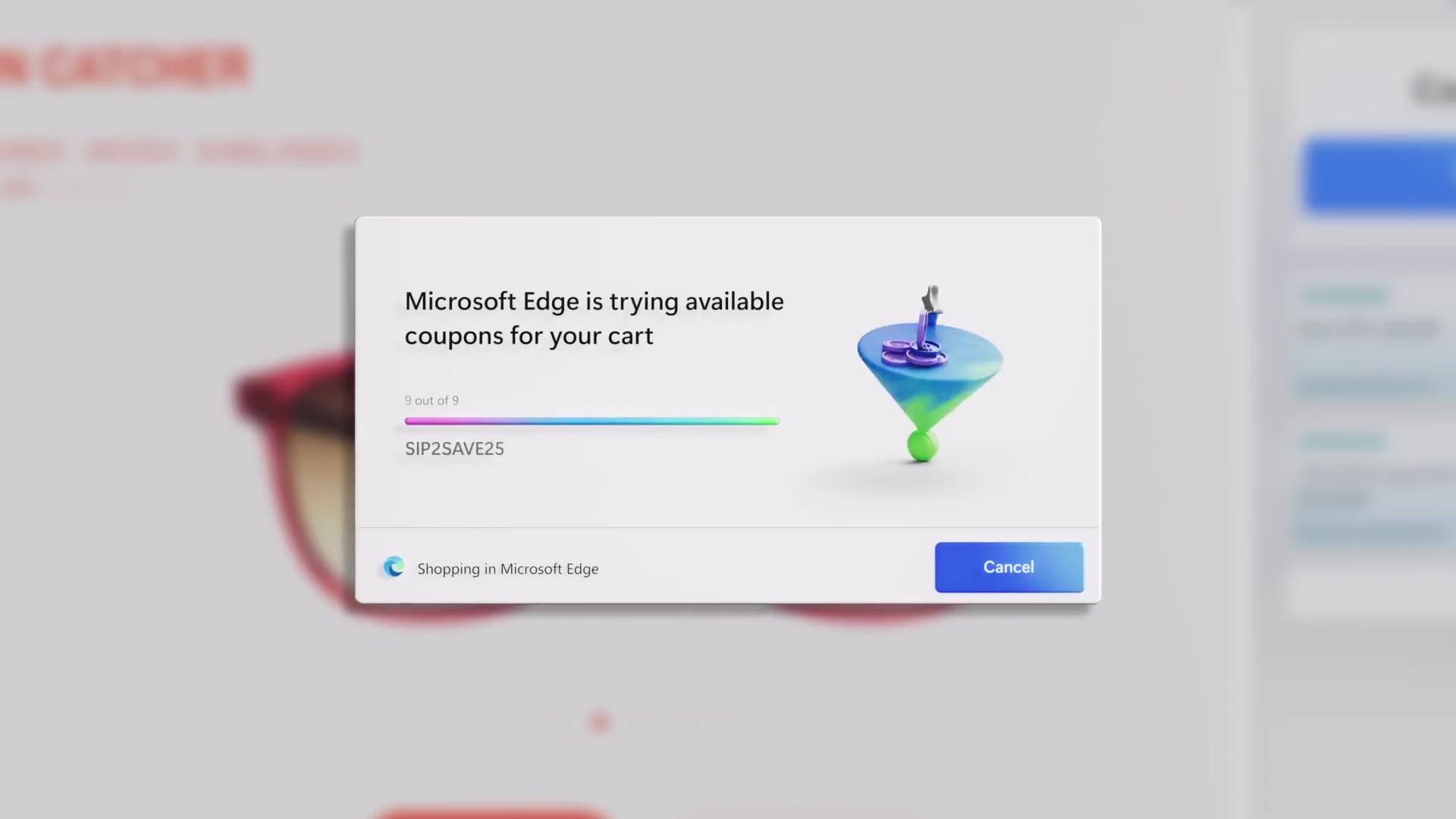
Each episode in the series was structured around a single human scenario: a shopper saving money without thinking about it; a creator who finds their flow and stays there; a parent who feels genuinely safer without becoming paranoid. The product was always present but never the point.

Flow & Focus
Productivity features
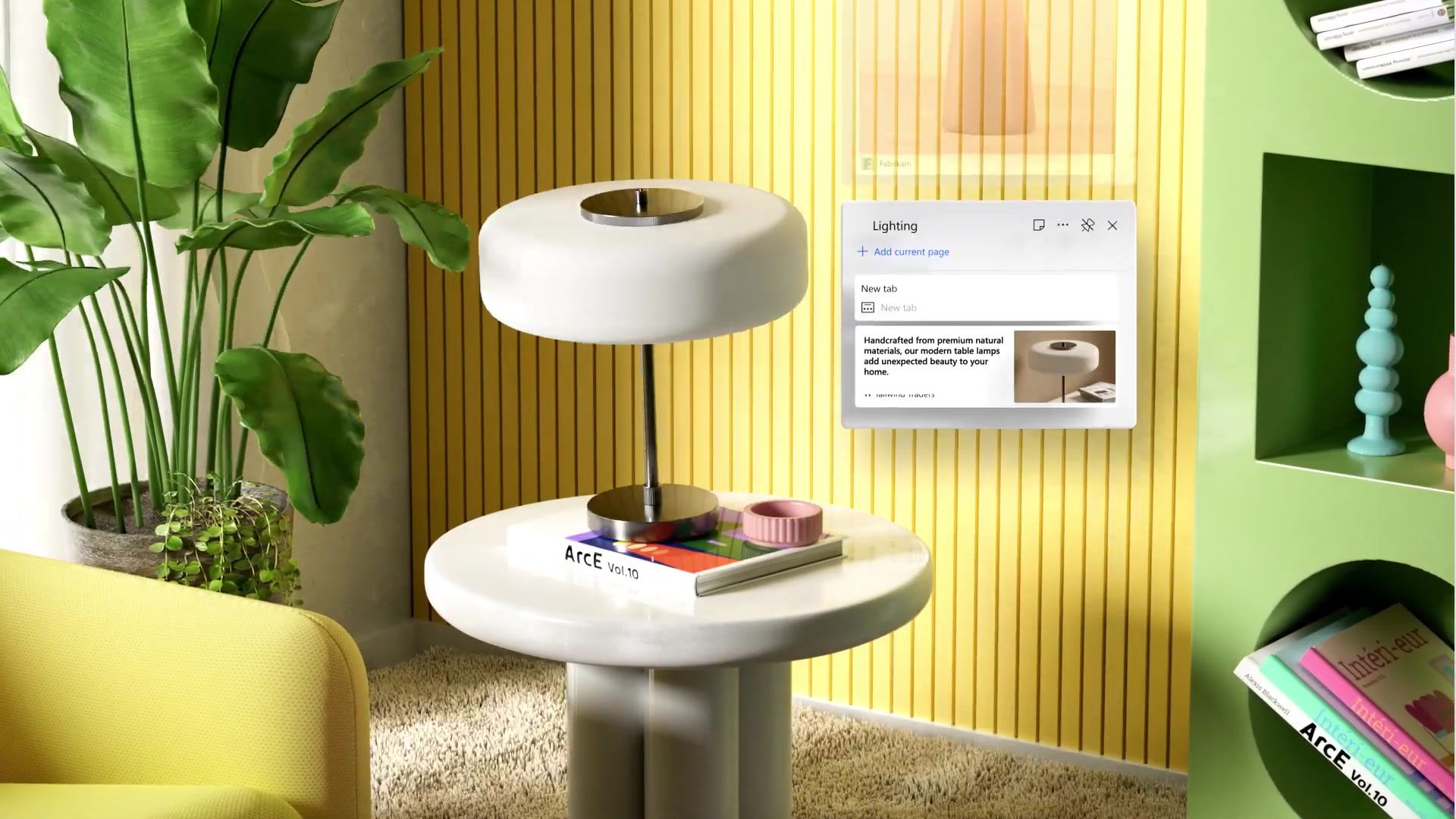
Stay Organized
Browsing management
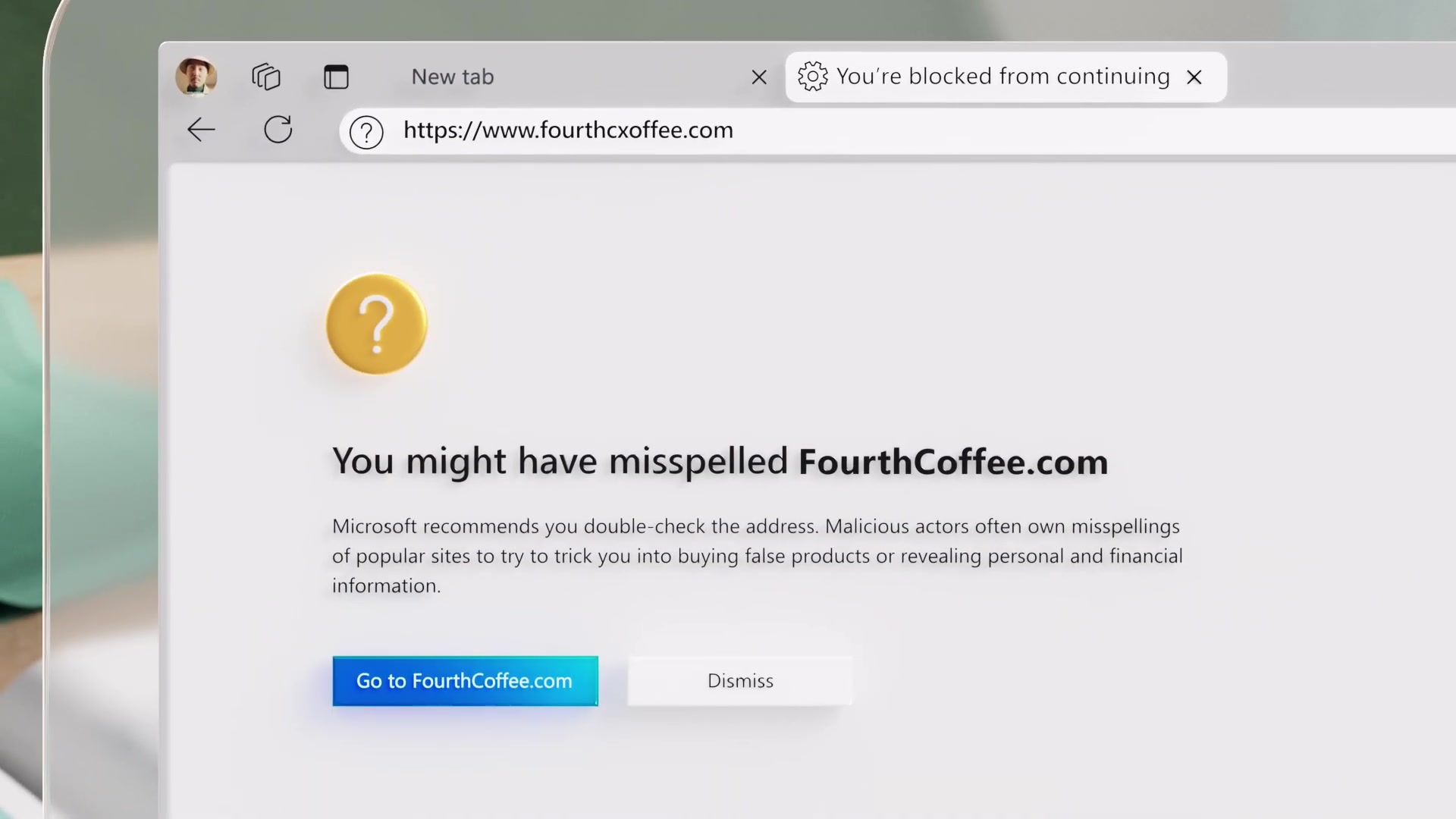
Online Safety
Protection features
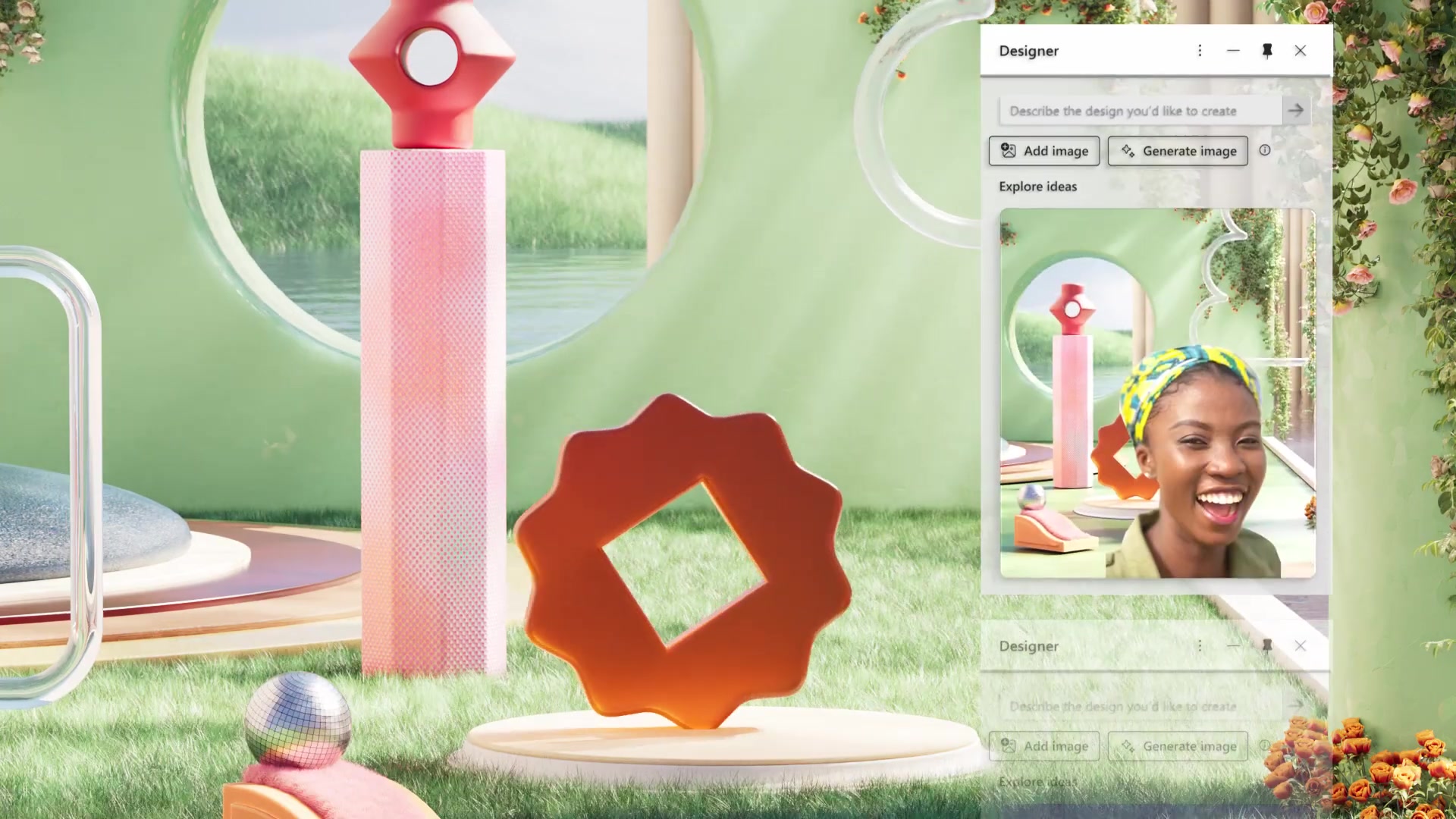
AI Creativity
Creative inspiration
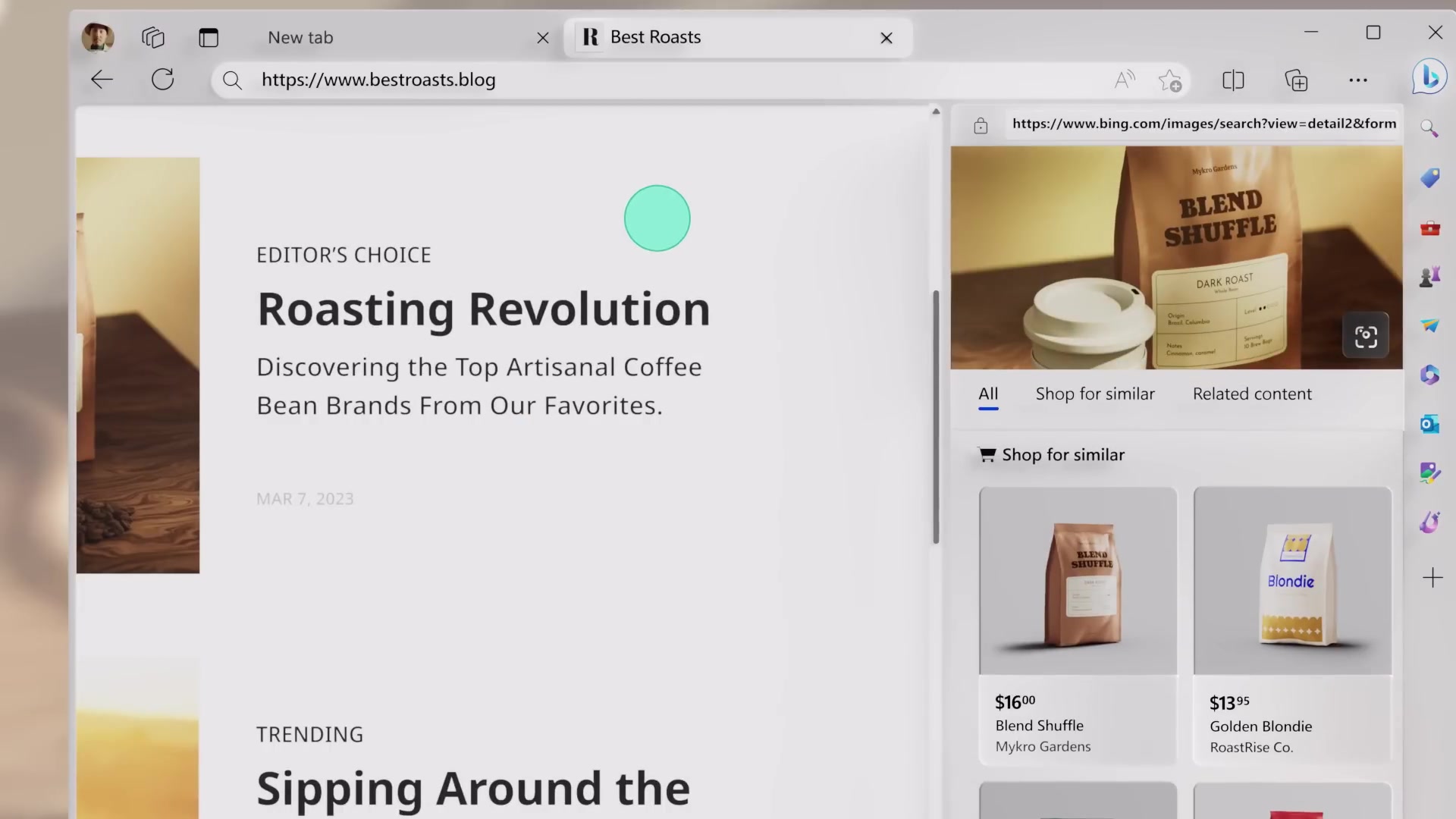
Save Money
Shopping features
Save Time
Efficient shopping
The six scenarios covered the full spectrum of Edge's value proposition — productivity, organization, safety, AI creativity, shopping savings, and shopping efficiency. But they never felt like a menu. Each episode stood alone. The series held together because each film shared the same emotional premise: technology at its best is the thing that gets out of your way.
Beyond Delivery.
A Distribution System.
The strategic mistake in content campaigns is treating the hero assets as the finish line. We treated them as the foundation. Everything that followed was engineered to multiply the work's reach without diluting its integrity.
The toolkit we built wasn't documentation — it was a replication system. Any partner, market team, or social manager could pick it up and deploy Edge-ucational content knowing it would land correctly in any context.
Messaging TemplatesChannel-specific copy frameworks that preserved the emotional tone across social, email, and paid placements.
Modular Video Shorts15 and 30-second cuts from each episode, pre-optimized for platform specs and designed to drive completion without the full runtime.
Partner ScriptsTalking-point guides for influencer and creator partners, keeping messaging accurate without making it feel scripted.
Localization GuidesRegional adaptation frameworks that allowed markets to translate tone and context — not just language — into culturally resonant versions.
The toolkit is where content strategy becomes infrastructure. Most campaigns end at asset delivery. This one was designed to keep running after the studio closed. That's the difference between a campaign and a content system.
When the Numbers
Confirm the Story
The campaign validated the format hypothesis. High completion rates meant the lifestyle approach was working — people weren't dropping off because they weren't being lectured. The feature adoption numbers were the real proof of concept: content that doesn't mention features drives more adoption than content that does.
The 25% reduction in support tickets was the number nobody expected to talk about. When people understand what a product can do — not because you told them, but because they saw themselves in the story — support load drops. That's the compounding return on content done right.
-
Format
Short-form lifestyle over product demoThe 2–3 minute format forced creative discipline and drove completion rates that longer product content never achieves.
-
Strategy
Lifestyle-first discoveryBy leading with human scenarios rather than features, we reached audiences who were not actively searching for browser content — and converted them anyway.
-
System
Toolkit-driven scaleThe distribution infrastructure extended the campaign's reach into markets and channels the core team never touched directly, maintaining brand integrity throughout.
Read the Story Behind the System
The philosophy behind the format — why lifestyle storytelling beats feature demos, the creative decisions that made it scale, and what the numbers actually meant. The human story underneath the blueprint.
Read the Commentary →